Easter at Ardnamurchan

I was back in the UK for a holiday over Easter and then another couple of weeks for work. I always like to get to the west coast if possible when I’m in Scotland. I like to get off the beaten track, so as always, I looked for some interesting accomodation. One thing there is no shortage of in this neck of the woods is lighthouses and after a wee search I found an ex lighthouse-keepers cottage at the Ardnamurchan Lighthouse available for rent for a week. It had 2 bedrooms, so was perfect for mum and I. We stayed with my sister in Glasgow on the Saturday and drove up there on Easter Sunday. Rather than the long drive, we took a slightly more relaxed approach and took the ferry from Oban to Craignure on Mull, short drive to Tobermory, ferry to Kilchoan on the Ardnamurchan peninsula and then an even shorter drive to the lighthouse.
Ardnamurchan Lighthouse'

The lighthouse was designed and built by Alan Stevenson, uncle of Robert Louis Stevenson, in 1849 from Mull pink granite. It was built in the Egyptian style popular at the time with features visible in the design of both the lighthouse and the keepers cottages.
Keepers cottages'

The construction of the buildings is very solid with incredibly thick walls, so very cosy with the modern electric heating. We had picked up some lovely fresh fish and meat at Loch Fyne Oysters and a mini-cask of Jarl light ale from Fyne Ales, so enjoyed a few days of relaxed wandering, eating and drinking. Outdoor activities were limited by the brutally cold northerly wind, fine in a sunny sheltered spot, but too cold for comfort in the wind.

On Thursday morning we took the ferry back to Tobermory. I had booked us into the grand old Western Isles Hotel, which I vividly remember from childhood visits to Tobermory, standing high above Tobermory harbour. I had also booked us into one of my favourite restaurants that evening, the wonderful Cafe Fish. The name tells part of the story, but the fact that they have their own fishing trawler, Highlander, is the real story. It’s all about the freshest possible seasonal seafood, on your plate within a few hours of being landed. I intended going there for lunch too. I hadn’t told mum, but there was no arm-twisting required. After a great lunch we checked into the hotel. Mum’s room was awesome, but mine was that little bit more awesome with a raised sitting area in a large bay window looking out over the Sound of Mull – the Glenlivet Room for reference. The weather was, shall we say, moody, but the blossom brightened things up.

At dinner, we had the prime corner window table with a view out over Tobermory harbour. Dinner was fabulous, as fresh as seafood gets and in my opinion cold water seafood is somehow better, slower growing maybe.

Already looking forward to my next visit.
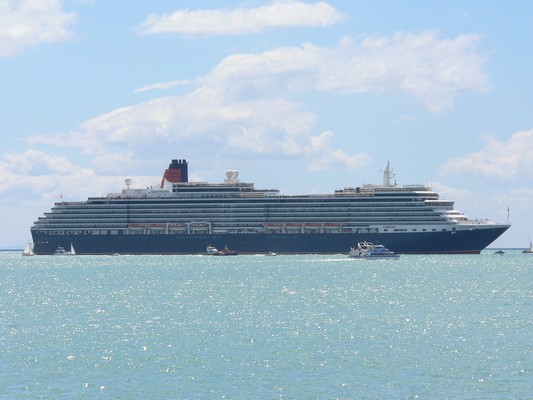
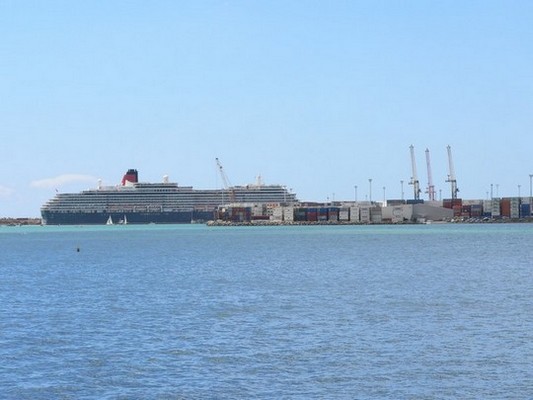
 

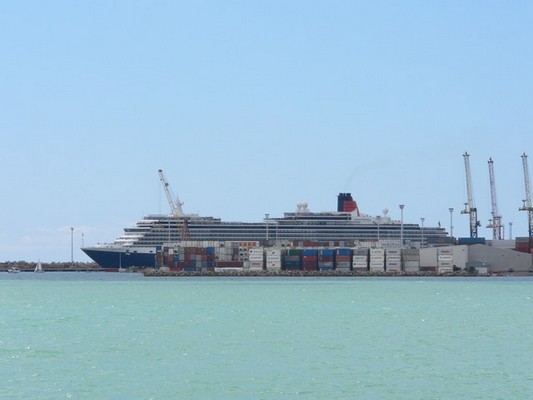
Cunard MS Queen Victoria

This is one big ship. I was quite surprised that it even fitted in to Napier Port. The NZ press touted it as being the biggest liner ever built, but I think it’s actually a wee bit smaller than Cunard’s own Queen Mary II.

queenvictoria.jpg
Ugly looking slab IMHO.

So, they drive it into Napier Port…

victorianapier1.jpg

three point turn…

victorianapier2.jpg

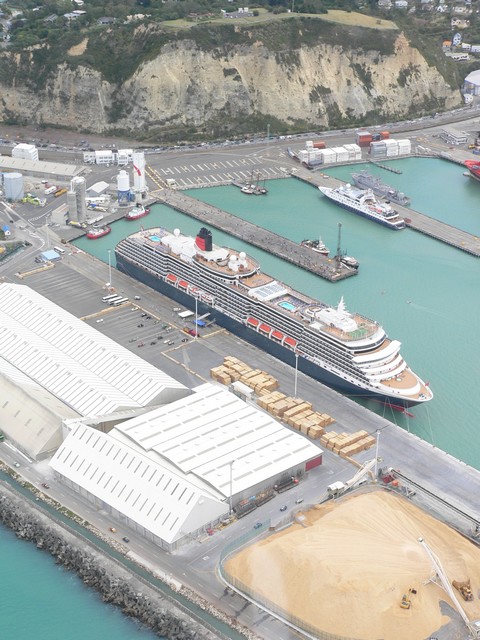
and she’s tied up.

Here’s an aerial shot.

victoriaaerial.jpg

Now, how did I take that picture? Yes it is mine!

You wait weeks (or more, sorry) for a blog to come along and nothing, then, just like buses, three come along one after the other!

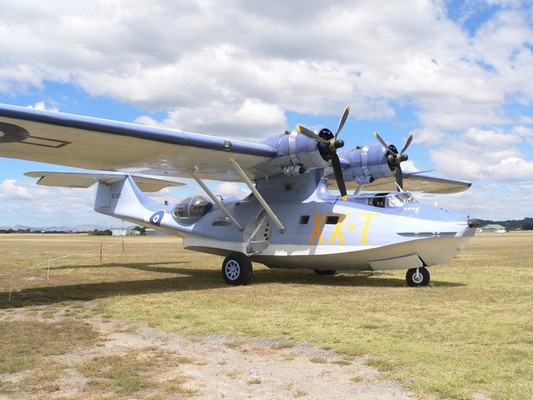
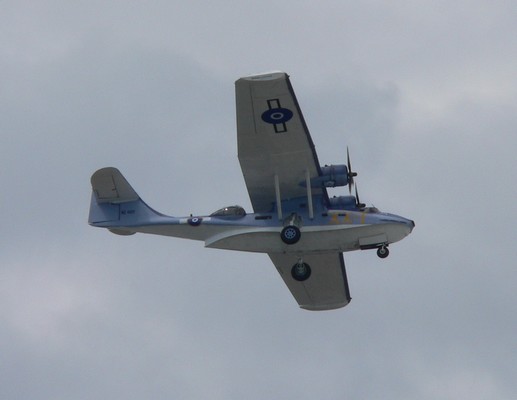
Catalina flying boat.

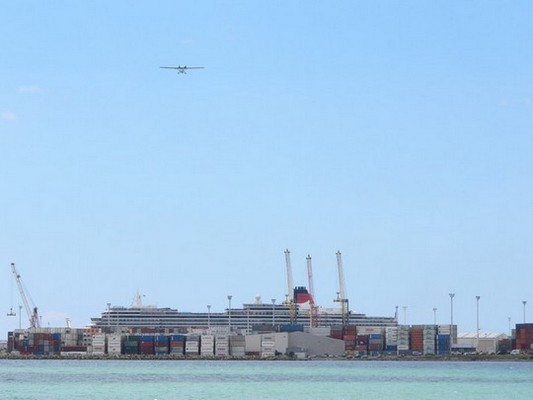
Art Deco Weekend comes around every year around the anniversary of the 1931 earthquake that flattened Napier. For all of the time I’ve been here I’ve seen the the Harvards, the Mustang and the Catalina doing circuits over the weekend. The sound of the Mustang’s Merlin engine is spine-tingling. Close behind that is the beating sound of the twin radial engines of the Catalina. Anyway, here’s a picture of the Catalina flying over the Queen Vic.

catalinaoverqueenvictoria.jpg

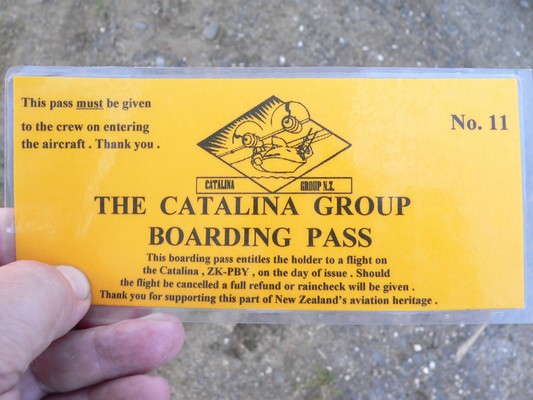
Shortly after this I decided to go and check out the ground part of the air display at Napier Airport. As is the way of NZ the entry was a gold coin, so 1 or 2 dollar coin. I didn’t have either, but a 20c piece showed intent. Whilst looking around and taking a few pics I overheard that it was only $100 for a trip in the Catalina. Not a huge amount to help conserve a historic aircraft and at the same time go for a half-hour flight at around 1000ft over my current stomping ground.

catalinaboardingpass.JPG
My boarding pass for the Catalina flight.

catalina.jpg
This aircraft is only a few years younger than my dad, so it’s very cool that it’s still flying. They don’t land it on the sea anymore, but they do land on some of NZs freshwater lakes like Lake Taupo.

catalinalanding.JPG
On its final approach.

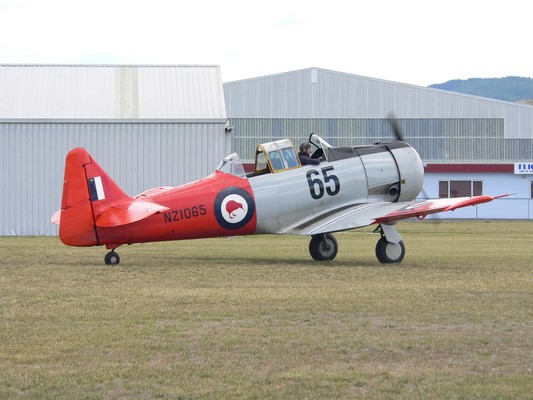
harvard.JPG
One of five Harvard trainers bought from the RNZAF by Warbirds over Wanaka. Note the cool roundel.

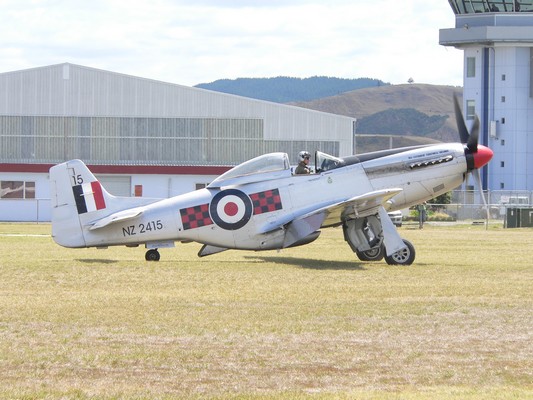
mustang.JPG
The star of the show, the North American P51D Mustang. A half hour flight in this is available if you have a spare NZ$1500 dollars!!

A(nother) Triumph of British Engineering.

Triumph Motorcycles are one of the last bastions of British manufacturing. OK they went bust in the seventies due to the old favourites of complacency and idiotic unions. But the name was bought by an astute business man from the building trade. Not a biker or with any knowledge of the industry, but with a keen eye for a business with serious potential, John Bloor bought the Triumph name. In 1990 they launched a new range of Triumph motorcycles.

I bought a second hand 1992 Trident 900 in 1994 and covered a lot of the UK and a fair bit of Europe on it over a period of about five years. I’ve had a few bikes in between, but always liked the look of the Speed Triple. When the latest Speed Triple model was released in 2005 I REALLY wanted one. I’ve been saving for 2-3 years and in mid-January 2008 the first one I’d seen in black, of course, and with the accessories I wanted at a reasonable second hand price came up. Imported from the US , but that didn’t bother me. So I flew down to Christchurch and the guy kindly picked me up at just after 0800 in the morning. The bike had only done 7500km including some use by the importer. It has a couple of blemishes, but nothing you’d notice unless you know where to look. At around 0930 I departed Christchurch for the long trip back to Hawkes Bay. It was four-plus hours to Picton, half an hour wait, three hours on the ferry, and another four-plus hours till I arrived home at 2130, a twelve hour journey. I hurt in places I’d forgotten you could hurt as it had been too many years since I’d spent a whole day in the saddle. Credit to the bike though, despite it’s sporting pretensions, it’s a whole lot more comfortable than the TL1000 which was crippling in a medieval way.

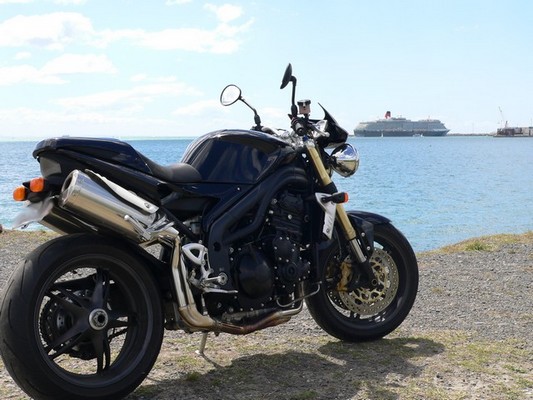
tripleandvic.JPG
This picture shows my new toy with the massive Queen Victoria, one of the biggest liners ever built, being shepherded into Napier Port.

On a bike capable of the national speed limit in first gear, not having a fairing, as the TL1000 did, makes you very aware of the speed. Advantageous in both self preservation and license preservation terms.

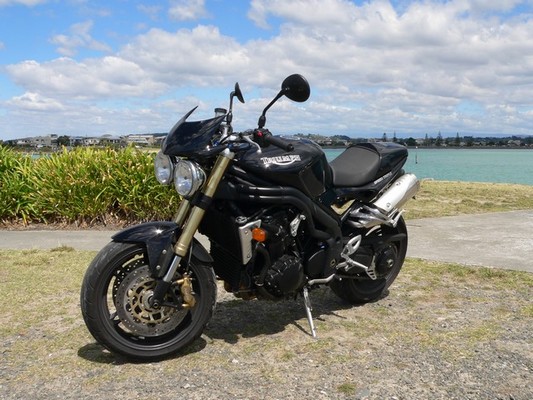
speedtriple.JPG
Can’t decide if this view is better. No big queen in the background this time :P.

I’m really looking forward to touring NZ on this bike. The East Cape is on as soon as good weather coincides with a weekend or when I can grab a few days off work.

The South Island needs to be taken two or three weeks at a time, so needs a bit more planning.

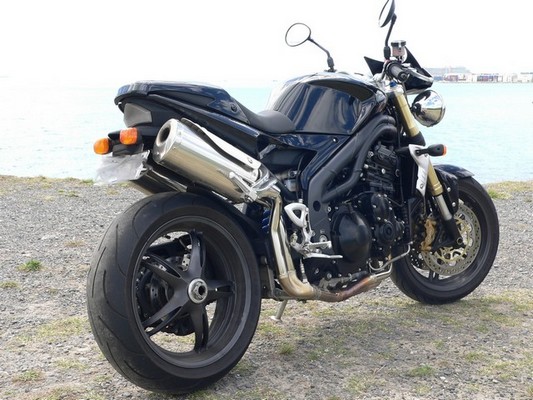
I’ve got clear memories of the Trident (the whine of the straight-cut primary gears), but the exhausts on the speed triple are much louder – they sound great – but are legal and not too attention grabbing. The Yoshimura cans on the TL1000 used to set off car and shop alarms…… They’ve also made the induction sound audible which is very addictive. The handling is superb, except the suspension is a little jarring front and back. I’m pretty sure I can adjust that out.

speedtriple2.JPG

GPS Tracking Gannets at Cape Kidnappers

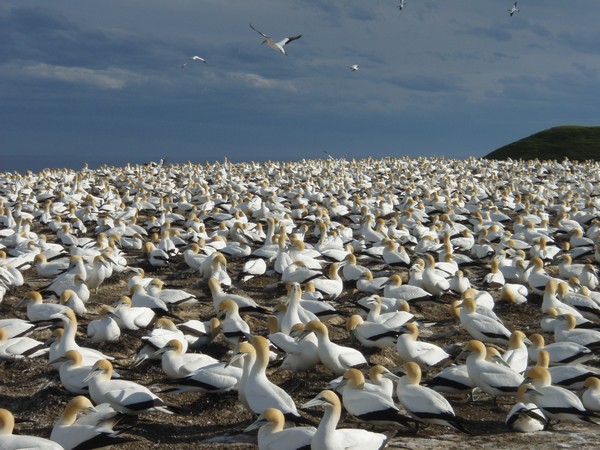
Cape Kidnappers, only a few kilometers from Havelock North, is home to the largest mainland breeding colony of Australasian Gannets, sula serrator. The colony is within the Ocean Beach Wildlife Preserve and this organisation are interested in knowing more about the ecology of the gannets. They will buy µGPS GPS trackers, but this is a new product and to give them confidence Sirtrack provided two trial units to prove there effectiveness. I headed out to assist a PhD student, Steffi, from Auckland University who is studying the foraging ecology of this species at the Cape and another colony on an island off Auckland. I was there to share the users experience with the technology and, where necessary assist in the setup, deployment and recovery of the devices. This provides invaluable feedback to improve this and all products and specifically address any deficiencies in the manual for the µGPS. It was convenient for Steffi as she was alone this week and it takes two people to handle the gannets, one person has to hold the head with one hand to control the potentially lethal beak and the wings with the other hand to avoid any damage, especially in the almost constant blustery conditions conditions at the Cape.

Looking across the Plateau colony at Cape Kidnappers.
The plateau colony at Cape Kidnappers.

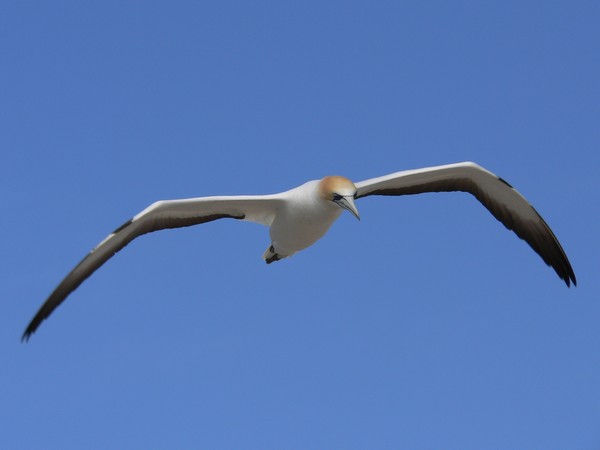
Flying gannet against a typical Hawkes Bay sky.
A gannet flying above Cape Kidnappers.

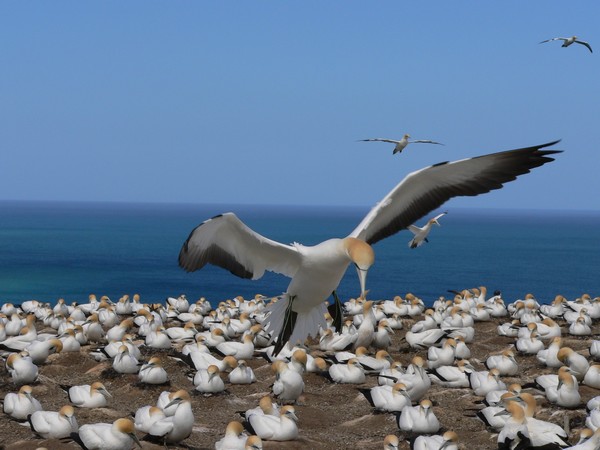
A gannet on final approach. Can be beautifully controlled, or not…
Final approach, committed, could be perfect, or head over heals.

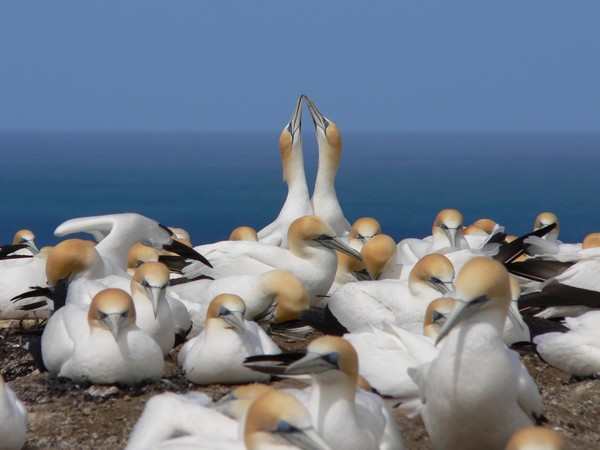
A pair of gannets in courting display when one partner returns.
A courting display as one partner returns.

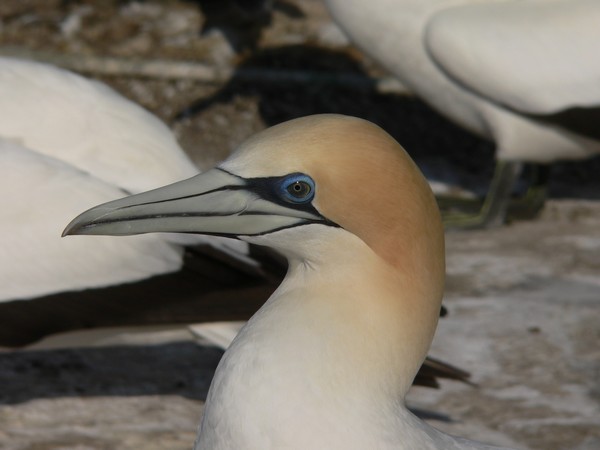
head02.jpg
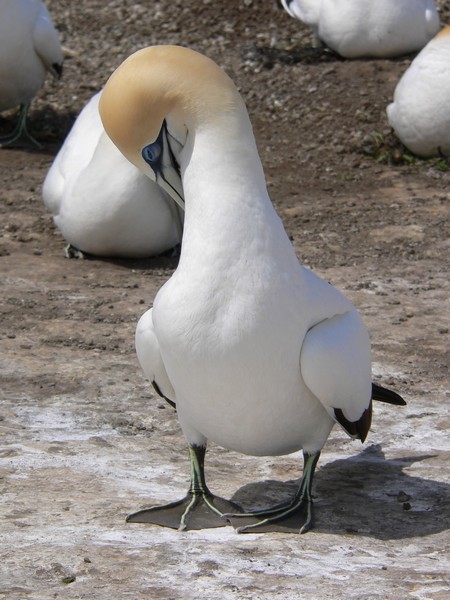
A close-up shows the striking markings and colours of the head and shows one of the large and incredibly effective eyes.

A gannet preening.
A gannet preening shows some more of the stunning coloration.

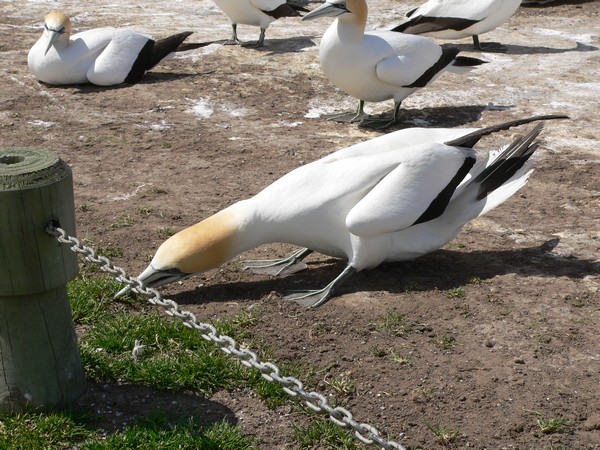
A gannet collecting grass for nest lining.
The gannet won and scored some grass to line its nest.

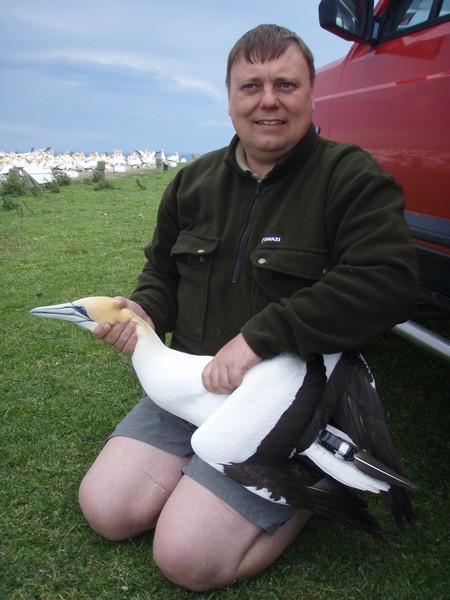
Holding a gannet with a newly attached µGPS taped to a couple of tail feathers.
A gannet with a µGPS taped to a couple of its dozen tail feathers. The bird will carry the device for just a day and then give us a new window into where these beautiful birds forage.

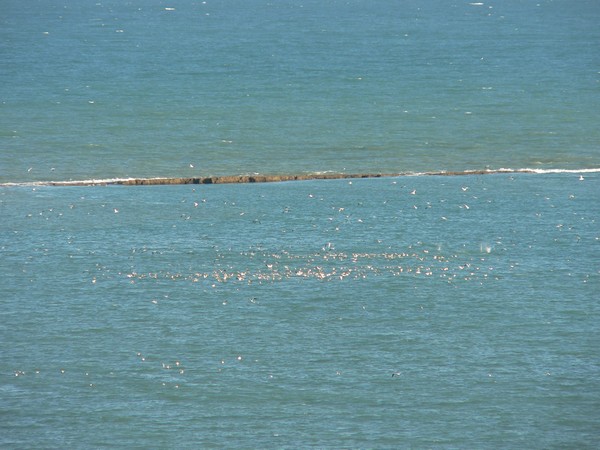
Gannets feeding next to the Black Reef
A load of gannets feeding next to the Black Reef.

Hideaway Island, Vanuatu

I had originally intended a break in New Caledonia. Beautiful, huge lagoon which is reasonably sheltered for water sports, good food with the French influence and it’s named after the old country. However, after some consultation with the travel agent it became clear that New Caledonia was expensive for no obvious reason and that there was an attractive option in nearby Vanuatu – still linked to the old country as it’s part of the New Hebrides. Hideaway Island ticked most of the boxes and came in at least 30% cheaper than New Caledonia for a secluded resort rather than a hotel in town – done deal!

Hideaway Island
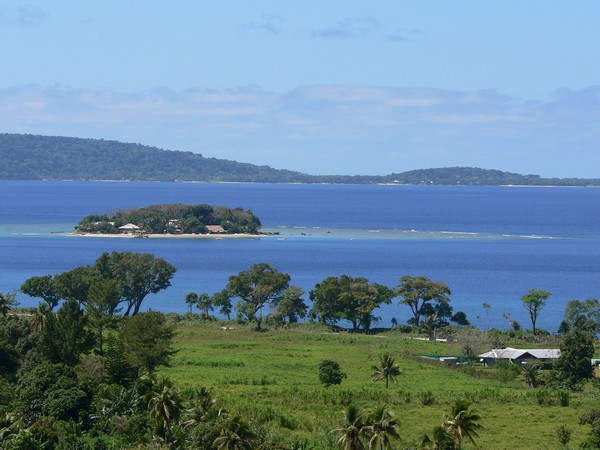
Hideaway Island from the main island, Efate.

I arrived two weeks ago Sunday. Even at 8.30 in the morning it was hot and humid. It is about ten minutes from the airport to Mele Beach. From there, five minutes on a little ferry. The island is as small as it looks with only about a dozen bungalows and a couple of backpacker dorm houses. then there is the bar and restaurant, dive shop and activity hut and gift shop. My waterside bungalow was simply furnished, but very comfortable. It was East facing, so morning sun and shade in the heat of the afternoon – perfect.

Hammock
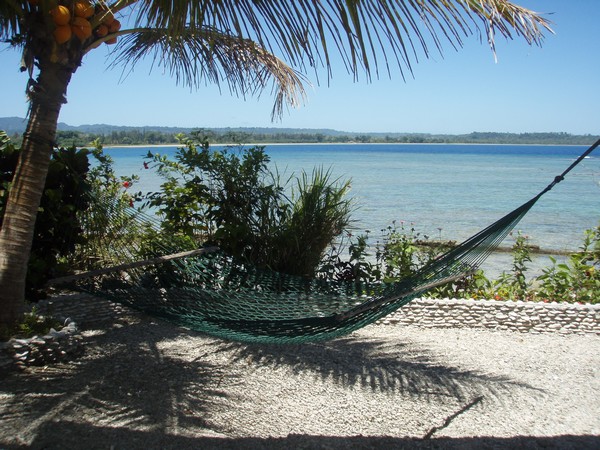
The view from the patio doors of my bungalow – not too shabby!

It had been a hellish six weeks running up to my well-deserved break with my fellow manager away for nearly five of those six weeks. Throw a delayed product release and a couple of major problems blocking production into an already hectic schedule and you end up with some crazy hours just to stay on top of the seriously urgent, never mind anything else. So, I did a fair bit of sleeping and dozing in the sun in the hammock for the first day and a bit. But, then I got bored. I’m not one to lay on a beach for a week, I need to do things. I explored and found that the catamaran (singular) was in pretty poor nick as were the kayaks. Two of my intended pastimes immediately less attractive. I went snorkeling and the reefs and fish were awesome. I decide to do the introductory scuba dive and see how it went – an option I was aware of, but not set on. I inquired about the open water dive course and doing the introductory first to see how I enjoyed it. Momentum gathered quickly and I was suddenly enrolled in the open water course and doing the introductory dive in an hour – wow! Well, what the hell. The first dive involved a quite a few drills and definitely took me out of my comfort zone. Having completed that I was given a textbook and a bunch of questions to answer – homework. Still, not a bad place to have to do it! It was good timing on my part as the island was pretty empty, so I had an instructor to myself.
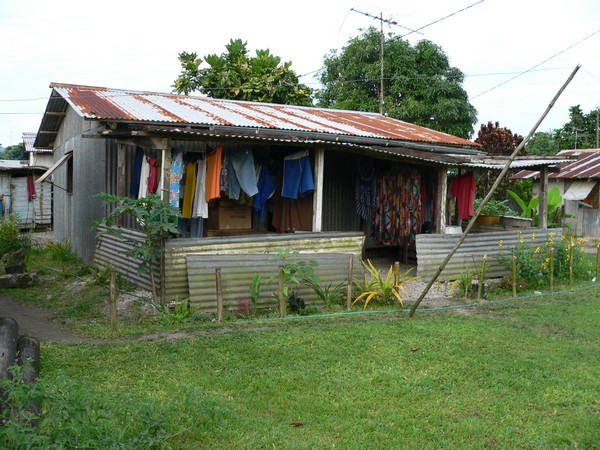
On Tuesday afternoon a group of us went to the local village, ‘Mele’. We were shown round by a staff member from the island who lives there. The houses are primitive, but when the temperature probably never drops below 20 Celcius, who needs windows.

Mele village house.
A typical house in Mele village.

Mele village child
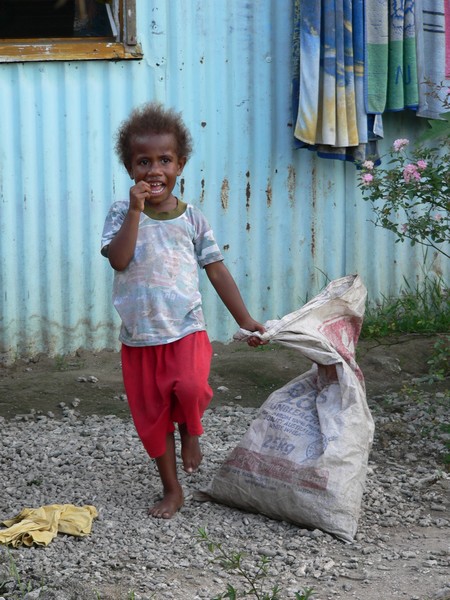
The kids are so innocent.

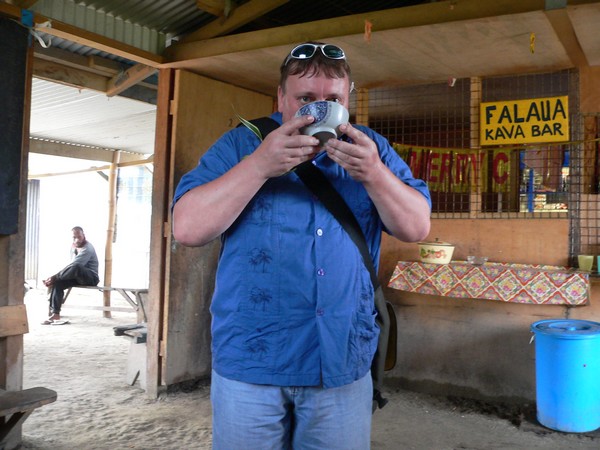
At the end of the trip we went to one of the village ‘kava’ bars to try the kava. This is a drink made form the kava plant root which is pounded with water to make a muddy beverage. During the years of joint British and French rule, kava was banned, but the locals had ready access to alcohol. This resulted in the usual drunken brawls. Since independence, kava is again allowed and there is no more brawling as kava is a sedative rather than antagonist. It makes your mouth numb and gives a slight, relaxed high similar to marijuana – I’m told.

Kava bar.
Supping on the kava.

Homework all good, followed by some theory on dive tables and then more practical just off the beach. Not easy, but I was a lot more relaxed and breezed through it. Both instructors were off the island the next day and one of the girls I was hanging out with was heading to the ‘Cascade Waterfalls’, above Mele village, so I joined her tour.

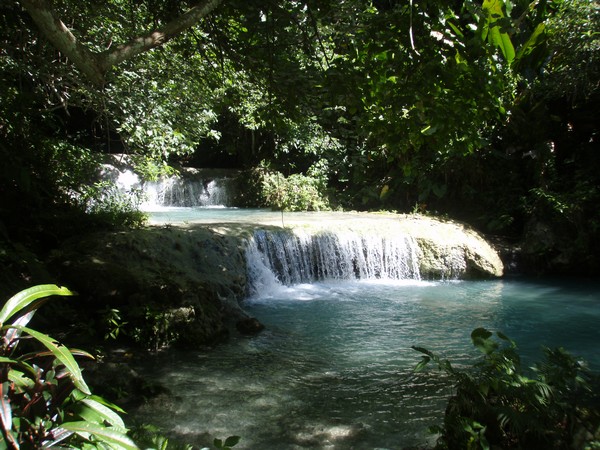
cascade1.jpg
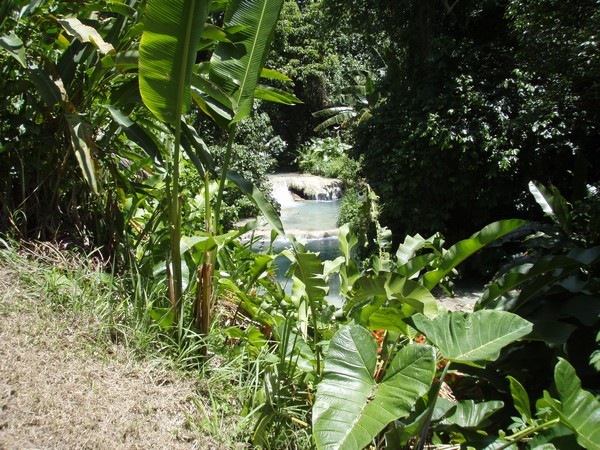
Paradise, and it only gets better.

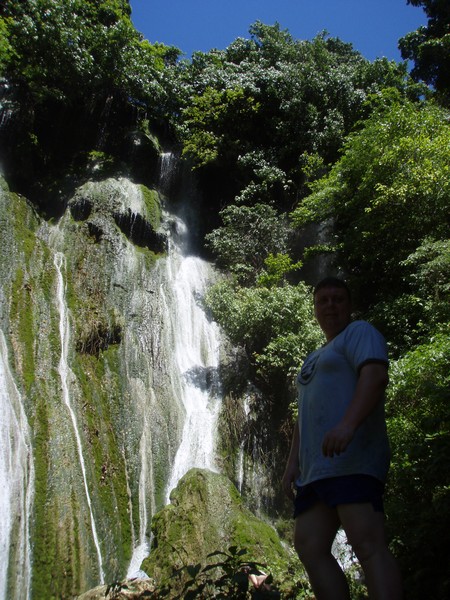
cascade2.jpg
The main waterfall.

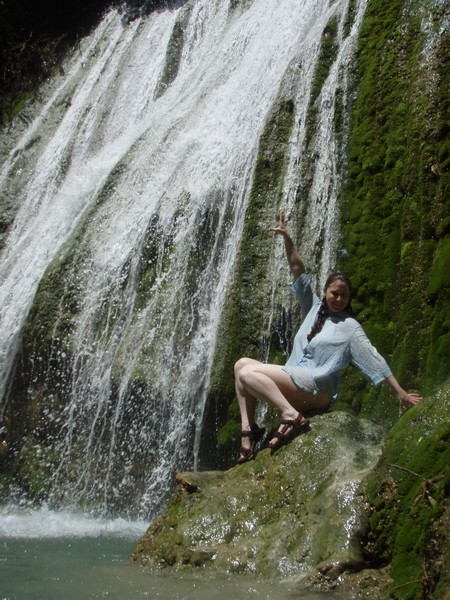
cascade3.jpg
Karli has a ‘Priscilla’ moment by the main Cascade Waterfall.

cascade4.jpg
Cool tropical rainforest.

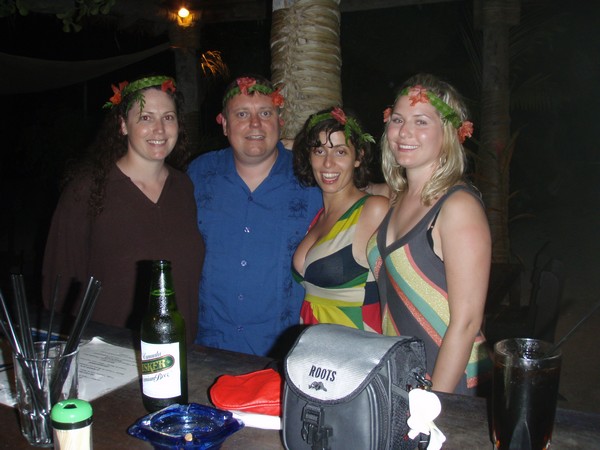
That evening was the, so called, Melanesian Feast – buffet dinner would suffice. Compulsory headgear, more kava and some more good food, so no complaints. Oh, and some singing and dancing around the fire.

feast.jpg
Me and my beautiful companions from the week after the feast – all sporting de-rigeur headgear.

On my last full day I had three dives. The first started with surface drills which I’d pretty much mastered by now and then drills on the bottom at around six metres. The same as I’d done in three metres, but with some choppy waves. All good. Then a half hour cruising around the reef as deep as twelve metres. Having passed all my drills in the first open water dive, the next two were purely recreational, but necessary for the certificate. So, that was that, now a certified open water diver.

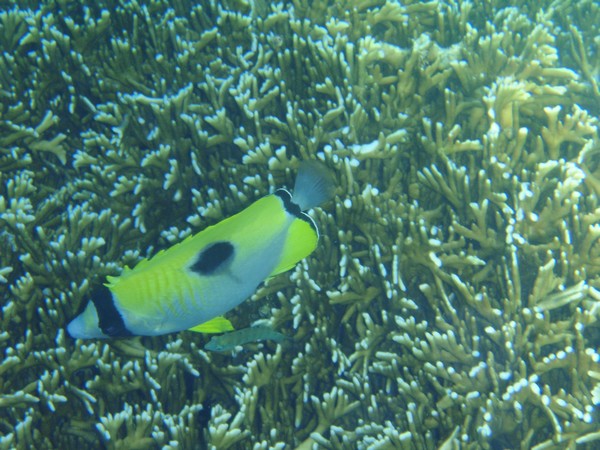
That afternoon I went for a snorkel and tried a bit harder with my new camera. I’d not taken it diving as I was going deeper than the maximum 10m and didn’t want, or need, the distraction. There was a lot of surge from the swell, so most of my initial pic’s were crap. Heres one that wasn’t too bad.

Reef
A Butterflyfish above Delicate Fire Coral.

A great holiday and met some cool new friends. Learning to dive was the cheap bit, now I need to buy the gear and keep doing it. I may very well go back to Hideaway Island as there are a whole bunch of dives beyond the twelve metres I was limited to which sound awesome.

The Kopuawhara Express

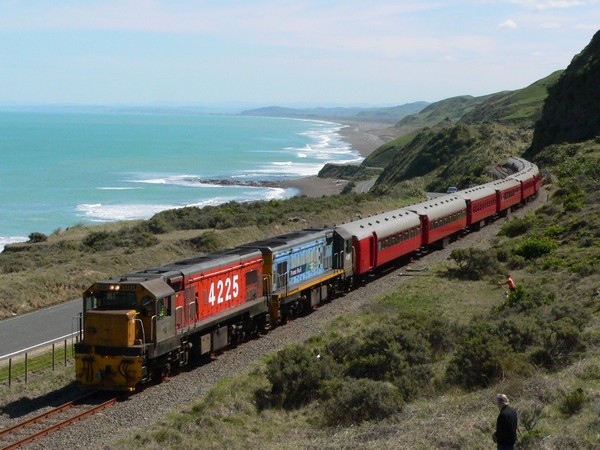
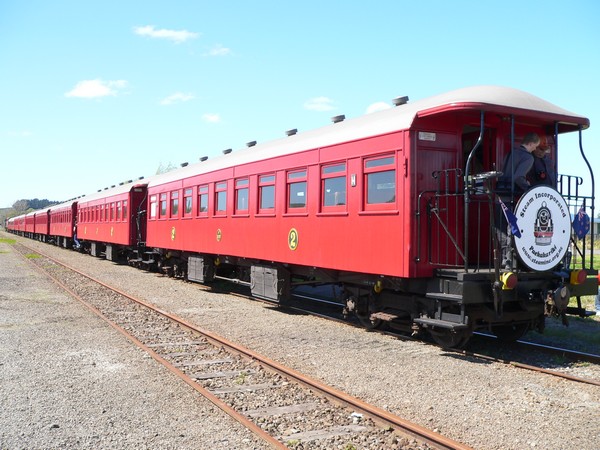
On the last Saturday of September I went on a train trip from Napier to just south of Gisborne and back, an all day trip. This line has been closed to passengers for many years and runs only a couple of freight trains a day during the week. It is one of the classic New Zealand rail routes with serious ascents and descents, many tunnels and big viaducts. It took a long time to build and a lot of people died in the process, mainly in one flash flood. With such little traffic it could close any time, so worth a day whilst the opportunity is still there. The trip was run by Steam Incorporated who maintain the only mainline certified, fully restored steam locomotives and rolling stock in New Zealand. This one wasn’t steam, but did use their restored steel and older wooden carriages. Whoa, sounding like a trainspotter there – I was in it for the scenery and a bit of history.

Photo-stop near Blacks Beach
Here’s the train near Blacks Beach, just short of our final destination of Beach Loop.

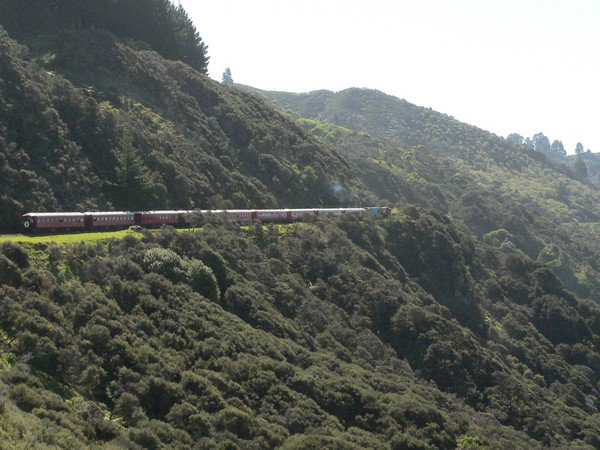
Leaving Napier the track skirts the residential back yards and out over the bridge across the lagoon at Pandora. Once out of Napier we pass the airport and through Bayview to the Esk Valley. From there it is a long, steep climb through a few tunnels and with vertigo-inducing drops alongside the Esk into the ranges to Waikoau. From here the line levels out and heads across the plateau across three huge viaducts, the Waikoau, Matahourua and Mohaka before dropping down to Wairoa.

Wairoa Station
Some people jumped off at Wairoa to watch rowing on the Wairoa River.

Onward to ‘Beach Loop’, the final passing loop just shy of Gisborne. We cut across the Mahia Peninsula, past the old fishing harbour of Waikokopu before climbing up and past the Kopuawhara Stream, the site of a disaster where 21 people died in 1938 during a flash flood whilst the railway was being built. Next through the 3km Tikiwhata Tunnel and a couple of shorter tunnels before we stopped for a picnic stop just short of Beach Loop.

BeachLoop1
The train heads off to Beach Loop to swap ends.

BeachLoop2
The Beach Loop beach.

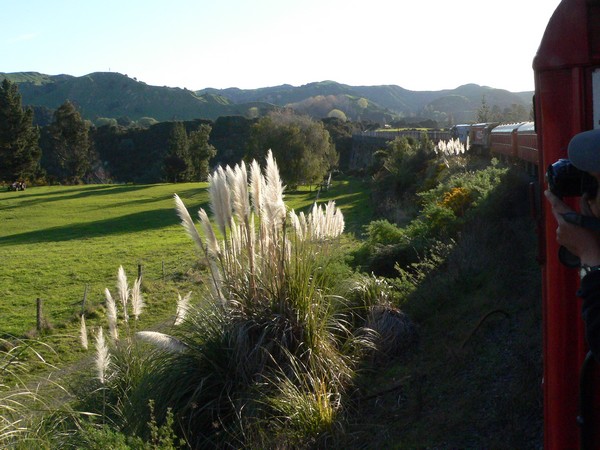
On the return leg I secured a good vantage point on one of the open balconies at the end of one of the old carriages to take some photos.

Bush
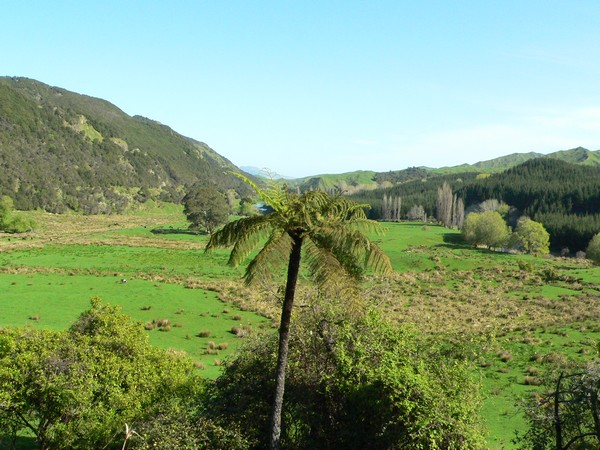
Typical New Zealand bush from a little viaduct.

Tree Fern
A Tree Fern, or Ponga Tree with a bit of New Zealand behind.

Mohaka Gorge
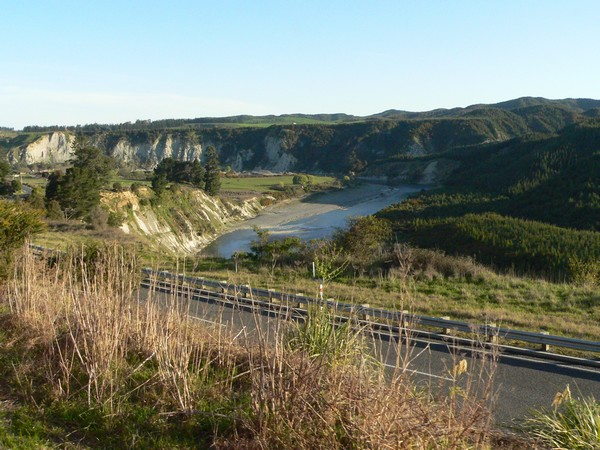
The mighty Mohaka River and gorge.

Mohaka Viaduct
Approaching the Mohaka Viaduct, the biggest in New Zealand at nearly 300m long and 97m above the Mohaka River.

All in all, a great day out. Perfect Hawkes Bay weather with not a cloud in the sky, fantastic scenery and a bit of history to boot.

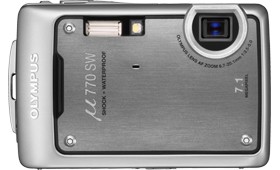
Olympus µ770SW

After my trip to the Auckland Islands I realised that I had taken very few photos because it was wet weather and the ground was saturated, so my camera stayed in its bag in my rucksack most of the time. It was a conscious effort to get the camera out and given my hands on role I rarely had the chance. Most of all, I didn’t have those people doing things photo’s. I need a small camera that could handle some rough treatment and getting a bit wet.

As it happens, I’m heading off to Vanuatu in a few weeks for a holiday on a tiny resort island in a marine reserve, Hideaway Island. Waterside bungalow, snorkeling, sailing, kayaking and scuba diving if I feel so inclined. Should be good. A camera like this would be great for the trip.

I did a bit of searching on the web for weatherproof, or splashproof cameras and came across the Olympus µ770SW. ‘S’ for shockproof and ‘W’ for waterproof. Not only did it meet my requirements, but beat them by a country mile by being waterproof to 10m. Perfect for my upcoming holiday to capture all those cool fish while I’m snorkeling and I can take it on sailing boats and kayaks with no worries.

Only problem, price! List price in NZ was NZ$700. Not outrageous, but more than I had in mind. I looked at second hand ones on Trade-Me (NZ’s answer to eBay), a couple, but too expensive. Google came up with a great price at NZ$480’ish, but it would be a grey import with a limited supplier warranty of three months duration, not the factory twelve months. However, it was so cheap that I went for it, but their website was broken! Fate. A couple of days later I checked the Dick Smith (NZ geeky electronic store, like Maplin in the UK) website to see if I could get a second rechargeable lithium battery. Amazingly they had just announced a special price of NZ$160 discount for the camera plus a 2GB xD card. Given the internal memory in the camera is virtually useless, you need a memory card and a genuine Olympus 2GB xD card is way more than the price difference from my failed Google buy. And, for another NZ$80 I got a pack containing a 256MB xD card, a spare battery and a bag. All this for less than the list price for just the camera a week before, very cool!

Olympus µ770SW

I’ve had the camera for a couple of weeks now. I haven’t got it wet yet, but love it so far. It has a macro and super macro mode, but better still it has a white LED to illuminate the object. I’ve used this a number of times at work in the last two weeks as it is so easy. Great for documentation, so easy. Beats trying to arrange suitable lighting and the super macro mode is great for real close up pics, such as electronic circuit board faults.

I’m really happy with my new buy. It’s small enough to fit in most pockets, tough and waterproof. It has some cool features, including an automatic lens cover, so no fluff or smudges whilst in your pocket. Oh, and its 7.1 megapixel.

If you need a pocket camera which is water and shock proof, even just in case, and is well designed and easy to use, I’d consider the Olympus (mju) µ770SW, especially if you can get a great deal like I stumbled on.

A Big Mountain – Kaweka

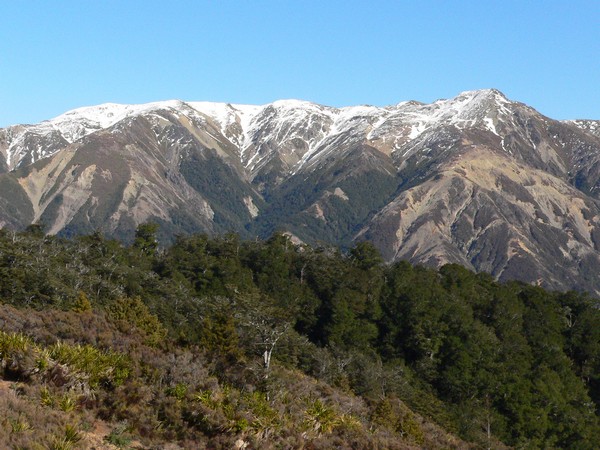
On Sunday past I headed off reasonably early to the foot of the Kaweka Range. When I rose the sun was just rising and there was a pretty hard frost outside, -2 or so, as hard as it gets in coastal Hawkes Bay. After chucking a few things in a bag, I headed a couple of hours inland. The sun fully up revealed a cloudless sky with the usual warming sun and little or no breeze. I stopped on the way to the carpark at a viewpoint and took this pic of the Kaweka Ridge.

Kaweka Ridge

I got to the carpark and put on my boots and looked at the map. The carpark is around 900m and the top of Kaweka J (junior I think, but turned out to be higher than North Kaweka by about 20m) is about 1725m, no easy stroll. The weather forecast was fine with any wind dropping away and bright sunny conditions. What the hell, lets go for it! I set off to see how far up Kaweka J and possibly North Kaweka I could go.

The first bit was an easy climb, but after a k’ or so I realised I was on the wrong path due to the signage being a bit confusing. I was on the right ridge and had followed the right signs, but was on the harder of two spurs with the guide book not mentioning the easier spur by its name. Looking at the map and up the ridge I was on, I decided to continue. After a good old slog up about 400m with some scrambling over scree and a couple of craggy outcrops my spur joined the main spur. After a wee rest I pushed on up the next 150m or so up to the Dominie Bivouac.

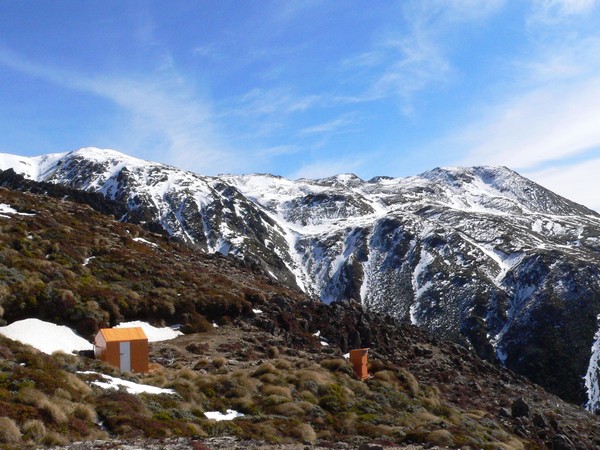
North Kaweka beyond the Dominie Bivouac

Another rest and it was starting to get cold. I had been in shorts and teeshirt ’til then, only cold when occasionally exposed to the wind on the ridge. I was also well into the snow by now. The last big climb took me around the South side of the ridge (S. hemisphere, sun free side) and I crossed a couple of wee snow fields. The clincher was one about 20-30m across. I couldn’t see what was below it (could have been a long drop and a real short stop) and there were no steps across it. Without walking sticks, crampons or an ice-axe – and alone and not having given anything other than a vague plan to my neighbours – I decided not to risk it and turned back. Annoying as I was only 100m or so in height and 1km distant from Kaweka J after slogging up about 700m. Mind you, my legs were like jelly when I got back to the carpark.

I had earlier seen signs to ‘Hot Springs’ and given my tired legs I decided to go and check them out and maybe have a bit of a soak. On reaching the main road, which quickly turned to gravel, it was a good half hour drive to the Mangatutu Hot Springs. Again, only two cars there. On the way down to the spring I passed a couple heading back up the track, but not another soul in sight. At the bottom of the path DOC have kindly built a wooden platform with a fibreglass pool to soak in. It looks out over the mighty Mohaka River – a very cool spot. With nobody around I took a risk and skinny-dipped in the pool. Very pleasant! After about half an hour I got out and sat in the warm sun and warm breeze until I was dry and could get dressed. I hadn’t planned coming here and hadn’t packed a towel or spare clothes. Back home in Scotland this place would have been mobbed, so it was awesome to have most of an hour of relaxation with no disturbance in amongst the ferns, native shrubs and the towering introduced gum trees.

Note to self – perhaps be less ambitious when you haven’t climbed a mountain for a year or two! Boy are my legs sore today!